
Overview of the Poem and Its Significance
A 19th‑century classic, “A Visit from St. Nicholas” has become synonymous with Christmas. Its vivid narration of Santa’s midnight journey captures holiday wonder inspiring countless adaptations and remaining freely available in PDF form
Author and Historical Context
Clement Clarke Moore (1779‑1863) was an American scholar, poet, and clergyman whose 1823 poem “A Visit from St. Nicholas” first appeared in the New‑York “The Literary Gazette.” Written in a playful, rhyming style, it reflected the era’s fascination with folklore and the burgeoning American literary identity. The poem’s publication coincided with the rise of Christmas as a national celebration, blending European traditions with a uniquely American voice. Moore’s background in theology and education is evident in the poem’s moral undertones, while its whimsical narrative helped cement Santa Claus as a central figure in holiday lore. Today, the text is widely distributed in free PDF formats, underscoring its enduring cultural significance.
Moore’s poetic craft, influenced by the Romantic movement, blended humor with moral instruction, making the poem accessible to children and adults. Its 1823 publication coincided with the growing popularity of Christmas customs in America, and the poem helped shape the modern image of Santa Claus as a jolly figure. Its simple rhythmic verses have been adapted into songs, films, lessons, ensuring continued relevance across generations.

Original Publication Details
First appearing anonymously in 1823, the poem was published in the New‑York “The Literary Gazette” under the title “A Visit from St. Nicholas.” The Gazette, a weekly literary periodical, was a popular platform for emerging writers, and Moore’s work was printed in a single, unadorned page. The poem’s initial circulation was modest, yet it quickly captured public imagination, largely due to its rhythmic, rhyming structure and vivid depiction of a midnight journey. Within a year, it was reprinted in several other periodicals, including the “New‑York Journal” and the “Boston Gazette.” By 1824, the poem had entered the public domain, allowing free distribution and adaptation. The text was later included in a 1837 anthology of American poetry, further cementing its place in the literary canon. The poem’s simple, accessible language made it ideal for children’s reading, and its publication history reflects the early 19th‑century American literary scene’s openness to folklore and popular culture. The poem’s enduring popularity ensures its presence on modern digital platforms, where it is frequently offered as a free PDF for educators, students, and holiday enthusiasts worldwide. Its timeless charm inspires readers allandwriters!
Public Domain Status and Legal Implications
The poem entered the public domain shortly after its first publication, as U.S. copyright law did not protect works published before 1923. This status allows anyone to reproduce, distribute, or adapt the text without permission or royalties. Consequently, the poem is widely available in PDF form on educational platforms such as Lit2Go, Internet Archive, and Project Gutenberg, where users can download or embed it in lesson plans, presentations, or creative projects. While the original text is free to use, derivative works that incorporate modern illustrations, translations, or editorial commentary may require separate licensing if they are not themselves in the public domain in public domain. For example, a teacher who creates a new illustrated version of the poem for a classroom display must ensure that the illustrations are either original or licensed appropriately. Some publishers offer premium editions with supplemental materials that are protected by copyright. If a user wishes to incorporate these extras, they must obtain permission from the publisher. Thus, the poem’s free availability encourages reinterpretations, ensuring enduring presence in classrooms worldwide.

PDF Formats and Distribution Platforms
The poem is freely downloadable as PDF from Lit2Go, Internet Archive, Project Gutenberg, TeacherVision, and other free hosting sites, ensuring easy access for educators and readers worldwide. They can print, annotate, or embed it in lesson plans!!!
Lit2Go PDF Availability
Lit2Go, a free educational resource, offers a downloadable PDF of “A Visit from St. Nicholas.” The file is accessible via the university’s website, providing a clean, print‑ready version that preserves the original formatting and illustrations; Users can download the PDF directly from the Lit2Go page, which includes a brief synopsis, author details, and a link to the full text. The platform’s interface allows educators to view the poem in a browser, annotate it, or print it for classroom use. Because Lit2Go is maintained by the University of South Florida, the PDF remains in the public domain, ensuring no copyright restrictions for educational or personal use. The downloadable file is typically around 200 KB, making it lightweight and easy to share via email or learning management systems. Additionally, Lit2Go provides a text version alongside the PDF, allowing readers to compare the original layout with a plain‑text format. The PDF’s accessibility features, such as selectable text and searchable content, support students with reading difficulties and assistive technologies. Overall, Lit2Go’s PDF distribution is a reliable, user‑friendly option for anyone seeking a high‑quality, legally free copy of the poem for study, teaching, or personal enjoyment.
Internet Archive PDF Download
Internet Archive hosts a comprehensive PDF of “A Visit from St. Nicholas,” available for free download. The file, sourced from the 1863 Boston edition, preserves the original illustrations and typography, offering a faithful reproduction for scholars and enthusiasts alike. Users can access the PDF by navigating to the archive’s “twas-the-night-before-Christmas” collection, where the document is listed under “Full Text” and “PDF.” The download link opens a 31.5 MB file that includes the poem’s original title page, chapter headings, and marginal notes. Because the work entered the public domain in the early 20th century, the Internet Archive’s copy carries no copyright restrictions, making it suitable for classroom use, research, and personal enjoyment. The platform also provides a text version for quick reference and a plain‑text download for accessibility. Additionally, the PDF can be viewed directly in the browser, allowing users to zoom, search, and annotate the text. The archive’s metadata includes publication details, author information, and related works, which can aid in academic citation and further exploration of 19th‑century American poetry. It also has high‑res images for kids !
Project Gutenberg PDF and eBook Versions
Project Gutenberg offers a free, high‑quality PDF of “A Visit from St. Nicholas,” accessible through its online catalog. The PDF, derived from the 1863 Boston edition, preserves the original layout, illustrations, and typographic details, making it ideal for both casual readers and academic researchers. Users can download the file directly from the Gutenberg website, where the poem is listed under “Public Domain Works.” The platform also provides eBook formats in EPUB and Kindle (MOBI) formats, allowing readers to enjoy the text on tablets, e‑readers, and smartphones. Each format includes the full poem, complete with the original title page and chapter headings, and is available without any licensing fees. Because the poem entered the public domain in the early 20th century, Gutenberg’s versions are free for worldwide distribution and can be used in classroom settings, literary projects, and personal collections. The site’s metadata includes publication history, author biography, and related works, which can aid in citation and further study. The PDF is fully searchable, and the eBook versions support text‑to‑speech and adjustable font sizes, enhancing accessibility for all users. Enjoy reading
TeacherVision PDF for Educational Use
TeacherVision supplies a ready‑to‑print PDF of “A Visit from St. Nicholas,” tailored for classroom instruction. The file, available at the TeacherVision website, includes the full poem, a brief author biography, and suggested discussion questions. Educators can download the PDF for free, ensuring compliance with copyright laws since the text is in the public domain. The layout is optimized for print, with clear headings and ample white space for note‑taking. TeacherVision also offers a printable worksheet that aligns with Common Core standards, encouraging students to analyze rhyme schemes, meter, and narrative perspective. The PDF can be used in reading circles, creative writing assignments, and holiday-themed projects. Because the file is downloadable, teachers can distribute it electronically to students or print copies for in‑class use. The resource supports both individual and group activities, making it a versatile tool for enhancing literacy and literary appreciation during the holiday season. Students may also create illustrated versions, translating the poem into comic strips or digital animations, deepening engagement and fostering collaboration!
Other Free PDF Hosting Sites

Besides the well‑known portals, several other free repositories host the full PDF of “A Visit from St. Nicholas.” Open Library offers a downloadable version that preserves the original layout and includes a brief editorial note. Google Books provides a high‑resolution scan that can be printed directly from the browser, and its “view all” feature allows users to see the entire text in a single scroll. PDF Drive hosts the poem as a PDF file that can be downloaded after a quick verification step; the site also lists user‑generated annotations that can enrich classroom discussion. Internet Archive’s sister project, Open Library, aggregates public‑domain works and often links to alternate file formats such as EPUB and MOBI, giving educators flexibility in how they present the material. Finally, Library of Congress’s digital collections include a scanned copy of the original 1823 publication, which is available for free download and can serve as a primary source for literary analysis. Each of these platforms provides a reliable, copyright‑free resource that can be incorporated into lesson plans, digital archives, or personal study. These free PDFs enable teachers to tailor lessons, share resources, and inspire holiday creativity. now
Content Analysis of the Poem
Analysis shows a playful iambic meter, vivid reindeer imagery, and a first‑person voice that invites readers into a cozy, anticipatory scene, underscoring tradition and wonder. Its rhythmic charm endears it to readers, inspiring adaptations!!
Structure and Meter of the Poem
The poem comprises 11 stanzas of 8 lines each, written in rhyming couplets (AABBCCDD). It employs anapestic tetrameter, with each line typically containing four anapestic feet, creating a rhythmic, lilting cadence that mimics the jolly march of Santa’s sleigh. The meter’s regularity reinforces the narrative’s steady progression, while occasional variations—such as a missing foot or a trochaic inversion—add surprise and emphasize key moments, like the sudden appearance of the reindeer or the narrator’s astonishment. The consistent rhyme scheme and meter not only enhance memorability but also echo the traditional ballad form, making the poem accessible to children and adults alike. Its structure supports the gradual build‑up of suspense, culminating in the climactic reveal of Santa’s arrival, and then resolves with a gentle, reflective tone that invites readers to imagine their own holiday traditions.
The poem’s rhythmic structure mirrors the cadence of a sleigh ride, while its consistent rhyme scheme facilitates oral recitation. The anapestic meter’s buoyant flow invites listeners to visualize the night’s magical journey, reinforcing the poem’s enduring appeal.
Key Themes and Imagery
The poem’s core themes weave together innocence, wonder, and the magic of giving. The narrator’s quiet, childlike awe reflects the universal yearning for holiday enchantment, while the depiction of St. Nicholas as a benevolent, almost mythical figure underscores the tradition of generosity. The imagery of a silent, snow‑blanketed night, the rhythmic clatter of sleigh‑bells, and the sudden, glowing presence of reindeer conjures a vivid, sensory tableau that invites readers to visualize the sleigh’s descent. The contrast between the mundane, domestic setting and the extraordinary, celestial arrival of Santa reinforces the idea that ordinary moments can be transformed by kindness and imagination. The poem’s recurring motifs—such as the “little‑handed” children, the “tinsel‑tangled” house, and the “bright‑glowing” star—serve as symbolic anchors that reinforce the narrative’s moral lessons about generosity, faith, and the joy of shared celebration. Through its rhythmic cadence and vivid imagery, the poem invites readers to imagine a world where generosity, wonder, and communal joy intertwine reminding us that the true spirit of the season lies not in gifts alone but in shared moments of kindness.
Usage and Educational Applications
Teachers use the PDF to spark reading, discussion, and creative projects. Students analyze rhyme, rhythm, and imagery, then craft poems, scripts, or digital stories, reinforcing literacy, critical thinking, and holiday traditions. for all.
Classroom Reading and Activities
In classrooms, the PDF of “A Visit from St. Nicholas” serves as a versatile tool for literacy and cultural studies. Educators begin with a guided read, prompting students to annotate key phrases that reveal the poem’s rhythmic structure and playful diction. Following the read, students participate in a “rhyme hunt,” locating all end‑rhymes and mapping them on a shared chart to visualize the poem’s musicality. Next, groups create a storyboard of the night’s journey, translating the text into visual panels that highlight imagery such as “bright eyes” and “frosted windows.” This activity reinforces comprehension and artistic interpretation. For advanced learners, a comparative analysis with other holiday poems introduces critical thinking about genre conventions and historical context. Finally, students compose a short, original poem or script that mirrors the original’s meter, fostering creativity while demonstrating mastery of form. The PDF’s accessibility allows teachers to distribute copies digitally or print them for hands‑on engagement, ensuring every student can participate regardless of technology access. Students read aloud, noting iambic tetrameter to reinforce rhythm daily.
Creative Adaptations and Performances

Teachers can transform the PDF into a stage script, assigning roles to students for a dramatic reading that highlights the poem’s rhythmic beats. A puppet show using handmade Santa and reindeer props invites kinesthetic learning, while a musical rendition with simple percussion instruments emphasizes the poem’s meter. Students may also create a digital animation, syncing the text to animated scenes that illustrate the “bright eyes” and “frosted windows.” For an interdisciplinary project, art students design a set of illustrations that accompany each stanza, then present them in a gallery walk. A karaoke version, featuring the poem’s original rhyme scheme, encourages vocal confidence and pronunciation practice. These adaptations not only deepen comprehension but also celebrate the poem’s enduring cultural impact. In addition, teachers can assign roles for a live‑action performance, allowing students to embody characters like St. Nicholas, the reindeers, and the excited children, thereby deepening engagement through movement and dialogue. Students can produce a short video recording of the performance which can be shared on class blogs or school websites thereby extending the poem’s reach beyond the classroom walls.!
Digital Publication Projects
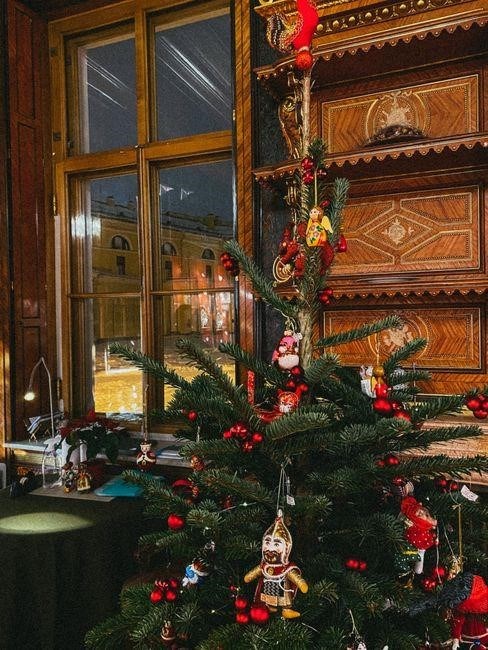
Educators can harness the freely available PDF of “A Visit from St. Nicholas” to launch interactive e‑books, embed audio narrations, and link supplementary resources. By converting the text into EPUB or MOBI formats, students can practice formatting skills while preserving the poem’s classic layout. A collaborative annotation platform allows learners to highlight verses, add comments, and discuss thematic elements in real time. Teachers may also create a web‑based flipbook that animates the poem’s stanzas, synchronizing each page turn with a subtle sound effect of sleigh bells or wind. For a multimedia experience, students can develop a short video montage that pairs the poem’s lines with seasonal imagery, then publish it on a class YouTube channel or a school blog. These projects not only reinforce digital literacy but also celebrate the poem’s enduring legacy in a modern format. Students can also collaborate on a shared online library, tagging each stanza with keywords and linking to related holiday folklore. By publishing the PDF on a class website, learners gain experience with metadata, standards, reinforcing the poem’s cultural relevance!