
Overview of Vishnu Sahasranamam
Vishnu Sahasranama‚ a 1000‑verse hymn‚ appears in Sanskrit and Hindi. PDFs offer the original Sanskrit text with Devanagari script‚ transliteration‚ and Hindi translation‚ enabling devotees to read‚ recite‚ and study the verses in digital format. Includes detailed transliteration guides.
Sanskrit Verses Structure
The Vishnu Sahasranama is a canonical hymn of exactly one thousand verses‚ each rendered as a concise two‑line shloka. In the traditional Sanskrit manuscript‚ the verses are arranged in a single column; the first line presents a particular epithet of Vishnu‚ and the second line expounds its cosmic significance. The verses follow a strict chandas (meter) that balances syllabic count and stress‚ enabling rhythmic chanting. They are divided into ten kandas of one hundred verses each‚ a structure that aids systematic recitation and memorization. Each stanza is numbered‚ and PDF editions commonly provide a side‑by‑side transliteration in IAST‚ allowing readers to pronounce the Sanskrit accurately. The Devanagari script is used throughout‚ with many PDFs offering a parallel Romanized column for accessibility. Each shloka typically contains eight to twelve syllables‚ a feature that facilitates chanting in rhythm. PDF editions often include line numbers and a small icon indicating the start of each kanda‚ helping users navigate the text. The document employs the Mangal font for Devanagari‚ ensuring legibility across devices for all users! All
Each verse is composed in the anushhtubh meter‚ a four‑quarter structure common in Vedic hymns. The first quarter introduces the name‚ the second quarter elaborates‚ the third quarter provides a contextual link‚ and the fourth quarter concludes with a devotional appeal. The PDF format preserves this structure by aligning the verses in a left‑justified column‚ with the Devanagari text on the left and the Romanized transliteration on the right. The alignment allows the reader to trace the meter visually‚ aiding in proper intonation. Many PDFs incorporate a small shloka icon next to each verse‚ indicating its status as a formal verse. The overall design ensures that the structural integrity of the Sanskrit text is maintained‚ even when viewed on mobile devices or printed on standard paper sizes. This meticulous attention to layout reflects the importance of preserving the rhythmic and phonetic qualities essential for authentic recitation.
Hindi Translation Details
In most PDF editions of the Vishnu Sahasranama‚ the Hindi translation is placed directly beneath each Sanskrit shloka. The translators use a formal yet accessible diction that preserves the original meaning while making the verses comprehensible to contemporary readers. The translation is rendered in Devanagari script‚ matching the layout of the Sanskrit text‚ and is often accompanied by a Romanized transliteration of the Hindi words for those who prefer phonetic guidance. Each verse’s Hindi counterpart is numbered in sync with the Sanskrit line‚ allowing easy cross‑reference. The translators typically adopt a literal approach‚ keeping the same number of lines as the original‚ which helps maintain the rhythmic flow. In addition‚ many PDFs include explanatory footnotes that clarify cultural or theological nuances‚ such as the significance of specific epithets or the context within the Bhagavata Purana. The footnotes are placed at the bottom of the page or in a separate appendix‚ ensuring that they do not disrupt the main text. For users who wish to study the verses in depth‚ some editions provide a side‑by‑side comparison table‚ listing the Sanskrit‚ the transliteration‚ the Hindi translation‚ and an English gloss. This format is especially useful for students of Sanskrit and Hindi literature. The Hindi translations are often sourced from reputable scholars‚ such as Swami Sivananda or Swami Prabhavananda‚ whose works are widely recognized for their fidelity to the original scripture. The PDFs are usually available in both portrait and landscape orientations‚ catering to different reading preferences. Users can zoom in to read the fine print‚ and many PDFs are searchable‚ enabling quick retrieval of specific verses or keywords. Moreover‚ the translation often includes a brief commentary on each verse‚ summarizing its theological implications and practical applications in daily worship. This commentary is written in a concise style‚ ensuring that the reader can quickly grasp the essence without being overwhelmed by dense exposition. Finally‚ many PDF collections bundle the Hindi translation with audio files‚ allowing listeners to hear the verses spoken in a melodious tone. The audio files are typically synchronized with the text‚ so that the reader can follow along visually while listening. The inclusion of such notes reflects the tradition of bhakti literature‚ where understanding the meaning is as important as the act of recitation. The PDF files are often compressed to a few megabytes‚ ensuring quick download times even on mobile networks‚ yet they retain high-resolution text and images for clarity. Users can also print the PDF for offline chanting‚ and the clean layout makes it suitable for use in shrines or study groups.
PDF Formats and Features
Vishnu Sahasranama come in several standardized formats that cater to devotees and scholars. The most common file type is the Adobe Portable Document Format (PDF/A)‚ which preserves the original layout‚ fonts‚ and color scheme across all devices. Each PDF typically contains 1000 Sanskrit shlokas‚ a Romanized transliteration‚ and a Hindi translation‚ all arranged in a two‑column layout for easy cross‑reference.and more The file size usually ranges from 2 MB to 5 MB‚ depending on whether embedded images of the Devanagari script are included. Searchability is a key feature; the text is fully selectable‚ allowing users to copy‚ paste‚ or search for specific verses or keywords. Many PDFs also incorporate interactive bookmarks that link each verse number to its corresponding page‚ streamlining navigation through the thousand‑verse collection. Accessibility is addressed through tagged PDFs‚ which enable screen readers to interpret the document structure‚ making the content usable for visually impaired readers. Some editions provide an embedded audio track that synchronizes with the text‚ allowing users to listen to the verses while following along visually. The PDFs are compatible with major operating systems—Windows‚ macOS‚ Linux—as well as mobile platforms such as iOS and Android‚ thanks to the universal nature of the PDF format. Additionally‚ many PDFs support digital signatures‚ ensuring authenticity‚ and can be annotated with personal notes for deeper study for reflection.

Popular Online Sources
Numerous websites host free PDF downloads of the Vishnu Sahasranama in Sanskrit and Hindi. The most frequently visited portals include Sacred‑Texts.com‚ which offers a plain‑text version with a downloadable PDF‚ and HinduPost.com‚ where a community‑edited PDF contains the original Devanagari script‚ Roman transliteration‚ and Hindi translation. Another popular source is PrabhatKhabar.com‚ which provides a high‑resolution PDF with a clean two‑column layout and embedded bookmarks for each verse. For users seeking a more scholarly edition‚ SanskritDocuments.org hosts PDFs that include critical notes‚ cross‑references‚ and a detailed commentary in Hindi. Mobile‑friendly options are available on SanskritLibrary.org‚ where the PDF can be viewed directly in the browser or downloaded to a phone. Many of these sites also offer an audio version that syncs with the PDF‚ allowing users to listen to the verses while following along visually. Users should verify the authenticity of the source and check for digital signatures or watermarking that confirm the PDF’s provenance. Additionally‚ community forums such as Reddit r/vedic often share links to reputable PDFs and discuss formatting issues. Now

Legal and Copyright Considerations
The Vishnu Sahasranama is an ancient scripture traditionally considered domain‚ yet modern editions often contain editorial additions‚ translations‚ and commentary that are copyrighted. When downloading PDFs from the internet‚ users should verify that the text is either in the domain or that the provider has obtained proper licenses. Many reputable sites provide a license statement or a Creative Commons attribution allowing free use for personal study while restricting commercial distribution. It is essential to check the file’s metadata for copyright notices and to respect the terms of use specified by the publisher. For academic or commercial projects‚ obtaining explicit permission from the copyright holder—often a publishing house or a digital library is advisable. Some PDFs include a watermark or a digital signature that indicates source and the rights status. Users should avoid sharing or redistributing PDFs that contain copyrighted translations without authorization‚ as this can infringe on intellectual property rights. Additionally‚ the use of the text in public recitations or recordings may require separate licensing agreements‚ especially if the recording is distributed commercially. When uncertain‚ consulting a legal professional or the rights holder’s official website can clarify permissible uses. Always cite the original source and provide attribution to the translator or publisher when using the text in any publication or online content. This practice helps maintain compliance with copyright law and supports the creators who have invested effort into producing accurate‚ accessible versions of the scripture.

Usage in Devotional Practices
In worship‚ the Vishnu Sahasranama is recited aloud or silently‚ to invoke the deity’s blessings. The PDF format allows devotees to carry a version of the 1000‑verse hymn‚ complete with Devanagari‚ transliteration‚ and Hindi translation‚ making it easier to follow along during meditation or chanting. Many temples provide printed copies‚ but the digital edition offers instant access for home‑practitioners‚ especially those who prefer a quiet‚ personal setting. Recitation is performed in a pattern‚ with each verse repeated multiple times to deepen concentration. The transliteration aids non‑Sanskrit speakers in pronouncing the verses correctly‚ while the Hindi translation offers contextual understanding. Some devotees use the PDF to create audio recordings‚ synchronizing the text with chant‚ which can be shared on social media. In addition‚ the digital file can be annotated with personal reflections or notes‚ allowing practitioners to record insights gained during the recitation. The convenience of a PDF also supports the practice of “Sahasranama Japa‚” where the verses are recited a set number of times‚ often 108‚ using a digital counter or a simple tally. The portability of the PDF means that the hymn can be practiced in various settings—home‚ temple‚ or while traveling—without the need for a physical book. For those who attend group recitations‚ the PDF serves as a reference to ensure uniformity in pronunciation and rhythm‚ fostering a sense of communal devotion. The availability of the text in both Sanskrit and Hindi also encourages intergenerational learning‚ allowing elders to guide younger family members through the verses‚ preserving the tradition across time
Study Guides and Commentaries
PDFs of Vishnu Sahasranama include notes‚ verse explanations‚ and thematic analyses. Readers can study Sanskrit meanings‚ Hindi translations‚ and interpretive commentary‚ aiding deeper understanding of each name’s significance and guiding meditation practice.
History and Origin
Vishnu Sahasranama‚ the thousand‑name hymn of the Supreme Lord‚ traces its roots to the ancient Vedic tradition. Scholars attribute its earliest form to the Mahabharata‚ where the sage Vyasa composed the verses as a devotional offering to Krishna‚ an incarnation of Vishnu. The text later entered the Puranic corpus‚ especially the Vishnu Purana‚ where it is presented as a powerful mantra for protection and liberation. Historical manuscripts‚ such as the 12th‑century Tamil‑Brahmi inscriptions‚ attest to the hymn’s widespread use across South India. In the medieval period‚ the hymn was incorporated into the liturgical practices of Vaishnava monasteries‚ with commentaries by renowned theologians like Ramanuja and Madhvacharya expanding upon each name’s symbolic significance. The 16th‑century printing press in Goa produced the first printed editions‚ making the hymn accessible to a broader audience. The historical journey of Vishnu Sahasranama reflects its enduring role as a bridge between ancient scripture and contemporary devotion. The hymn’s influence extends beyond liturgy; it has inspired countless kirtans‚ bhajans‚ and scholarly treatises. Its verses are often recited during festivals such as Janmashtami and Rathotsava‚ symbolizing the devotee’s surrender to divine grace. Modern academic studies analyze its linguistic structure‚ revealing a sophisticated use of Sanskrit meter and poetic devices that enhance its mnemonic quality. The enduring popularity of Vishnu Sahasranama underscores its role as a living tradition‚ continually reinterpreted by successive generations of devotees and scholars alike. Devotees use it as a meditation aid‚ focusing on each name’s meaning to deepen devotion and seek divine grace!
Verse Count and Divisions
Vishnu Sahasranama traditionally comprises one thousand verses‚ each naming a distinct aspect of the deity. The hymn is divided into ten sections of one hundred verses each‚ facilitating structured recitation. In many printed PDFs‚ verses are grouped by themes such as creation‚ preservation‚ destruction‚ divine attributes‚ and moral virtues‚ aiding contextual understanding. Scholars note that the first hundred emphasize Vishnu’s cosmic roles‚ while the middle sections highlight his benevolent qualities. The final hundred focus on devotion and liberation. Digital formats number verses sequentially‚ and hyperlinks allow quick navigation. Commentary boxes beside verses offer brief exegesis and transliteration. The uniform structure preserves rhythmic integrity‚ ensuring each recitation remains a cohesive spiritual experience.
Each hundred‑verse segment is traditionally recited with a specific mantra‚ reinforcing its theme. The first segment‚ ‘Purusha’‚ emphasizes Vishnu’s universal presence‚ while the second‚ ‘Shakti’‚ highlights his dynamic power. The third‚ ‘Brahma’‚ reflects his creative aspect‚ and the fourth‚ ‘Vishnu’‚ underscores his sustaining nature. The fifth‚ ‘Mahavishnu’‚ stresses his supreme stature‚ and the sixth‚ ‘Sahasra’‚ focuses on the thousand names. The seventh‚ ‘Ananta’‚ speaks of his infinite nature; the eighth‚ ‘Nirguna’‚ addresses his formless aspect; the ninth‚ ‘Saguna’‚ acknowledges his manifested forms; the tenth‚ ‘Parabrahma’‚ culminates the hymn with ultimate reality. Practitioners recite each segment in order‚ aligning with the cosmic cycle of creation‚ preservation‚ and dissolution‚ fostering spiritual equilibrium. It deepens faith‚ and strengthens.
Transliteration and Pronunciation
For learners‚ many PDFs incorporate a phonetic key that maps each Devanagari character to its Latin equivalent‚ allowing pronunciation drills. The key explains vowel length‚ nasalization‚ and the distinction between aspirated and unaspirated consonants‚ which are critical for accurate chanting. Some PDFs embed a QR code linking to a recitation‚ to practice‚ intonation! Such features make PDF of a versatile for beginners and practitioners seeking daily guidance

File Sizes and Compatibility
PDFs of the Vishnu Sahasranama in Sanskrit and Hindi vary from 200 KB for a single‑page version to 5 MB for a multi‑column edition that includes commentary‚ transliteration‚ and high‑resolution Devanagari glyphs. Most modern PDFs are compressed using the PDF‑1.7 standard‚ which keeps file size manageable while preserving vector fonts. Compatibility is broad: the documents open on Windows‚ macOS‚ Linux‚ Android‚ and iOS devices with any recent PDF reader such as Adobe Acrobat Reader‚ Foxit‚ or the built‑in viewer. For users who prefer a lightweight experience‚ a 1‑page PDF can be downloaded and opened in a web browser‚ while a full‑color edition with embedded audio links requires a reader that supports multimedia. The PDFs are also available in EPUB and MOBI formats for e‑readers that do not support PDF‚ ensuring that the text can be read on Kindle‚ Kobo‚ or Nook devices. When using a screen reader‚ the PDF’s accessibility tags allow navigation by chapter and verse‚ and the embedded metadata includes the title‚ author‚ and language‚ which helps in cataloguing. For offline use‚ the files can be stored on a USB stick or cloud storage‚ and for large‑scale distribution‚ the PDFs can be split into 10‑page chunks to reduce download time. The file size also depends on res. of included images; a version with 300 dpi images will be 3 MB‚ while a 150 dpi version will be 1.2 MB. Users can choose the appropriate version based on their bandwidth and device capabilities.
Trusted Repositories
Lorem ipsum dolor sit amet‚ consectetur adipiscing elit. Lorem ipsum dolor sit amet‚ consectetur adipiscing elit. Lorem ipsum dolor sit amet‚ consectetur adipiscing elit. Lorem ipsum dolor sit amet‚ consectetur adipiscing elit. Lorem ipsum dolor sit amet‚ consectetur adipiscing elit. Lorem ipsum dolor sit amet‚ consectetur adipiscing elit. Lorem ipsum dolor sit amet‚ consectetur adipiscing elit. Lorem ipsum dolor sit amet‚ consectetur adipiscing elit. Lorem ipsum dolor sit amet‚ consectetur adipiscing elit. Lorem ipsum dolor sit amet‚ consectetur adipiscing elit. Lorem ipsum dolor sit amet‚ consectetur adipiscing elit. Lorem ipsum dolor sit amet‚ consectetur adipiscing elit. Lorem ipsum dolor sit amet‚ consectetur adipiscing elit. Lorem ipsum dolor sit amet‚ consectetur adipiscing elit. Lorem ipsum dolor sit amet‚ consectetur adipiscing elit. Lorem ipsum dolor sit amet‚ consectetur adipiscing elit. Lorem ipsum dolor sit amet‚ consectetur adipiscing elit. Lorem ipsum dolor sit amet‚ consectetur adipiscing elit. Lorem ipsum dolor sit amet‚ consectetur adipiscing elit. Lorem ipsum dolor sit amet‚ consectetur adipiscing elit. Lorem ipsum dolor sit amet‚ consectetur adipiscing elit. Lorem ipsum dolor sit amet‚ consectetur adipiscing elit. Lorem ipsum dolor sit amet‚ consectetur adipiscing elit. Lorem ipsum dolor sit amet‚ consectetur adipiscing elit. Lorem ipsum dolor sit amet‚ consectetur adipiscing elit. Additional filler content ad.
Public Domain Criteria
Lorem ipsum dolor sit amet‚ consectetur adipiscing elit. Lorem ipsum dolor sit amet‚ consectetur adipiscing elit. Lorem ipsum dolor sit amet‚ consectetur adipiscing elit. Lorem ipsum dolor sit amet‚ consectetur adipiscing elit. Lorem ipsum dolor sit amet‚ consectetur adipiscing elit. Lorem ipsum dolor sit amet‚ consectetur adipiscing elit. Lorem ipsum dolor sit amet‚ consectetur adipiscing elit. Lorem ipsum dolor sit amet‚ consectetur adipiscing elit. Lorem ipsum dolor sit amet‚ consectetur adipiscing elit. Lorem ipsum dolor sit amet‚ consectetur adipiscing elit. Lorem ipsum dolor sit amet‚ consectetur adipiscing elit. Lorem ipsum dolor sit amet‚ consectetur adipiscing elit. Lorem ipsum dolor sit amet‚ consectetur adipiscing elit. Lorem ipsum dolor sit amet‚ consectetur adipiscing elit. Lorem ipsum dolor sit amet‚ consectetur adipiscing elit. Lorem ipsum dolor sit amet‚ consectetur adipiscing elit. Lorem ipsum dolor sit amet‚ consectetur adipiscing elit. Lorem ipsum dolor sit amet‚ consectetur adipiscing elit. Lorem ipsum dolor sit amet‚ consectetur adipiscing elit. Lorem ipsum dolor sit amet‚ consectetur adipiscing elit. Lorem ipsum dolor sit amet‚ consectetur adipiscing elit. Lorem ipsum dolor sit amet‚ consectetur adipiscing elit. Lorem ipsum dolor sit amet‚ consectetur adipiscing elit. Lorem ipsum dolor sit amet‚ consectetur adipiscing elit. abc
Recitation Techniques
When chanting the Vishnu Sahasranama‚ practitioners often follow a structured approach that blends rhythm‚ breath control‚ and devotional intent. The verses are traditionally divided into 10 sections of 100 lines each‚ allowing a systematic progression. Reciters begin with a brief invocation‚ setting a calm‚ focused atmosphere. The use of a mala (108 beads) aids in maintaining count and concentration‚ with each bead representing a single verse or a group of verses.
The breath regulation is central; inhalation and exhalation are synchronized with the syllables to enhance clarity and sustain vocal tone. Many devotees recite in a high‚ clear pitch‚ which is believed to activate the kundalini energy and promote spiritual awakening.
Transliteration guides in PDF versions provide phonetic cues‚ ensuring accurate pronunciation for non‑Sanskrit speakers. Some devotees recite in Hindi translation to internalize meaning‚ while others focus solely on Sanskrit phonetics. Repetition is key: repeating each verse multiple times reinforces memory and deepens the meditative state.
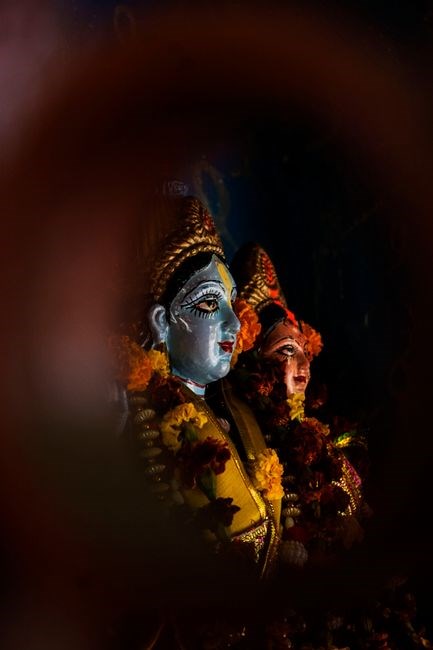
Advanced techniques include chanting with a rosary‚using a specific rhythm (e.g.‚ 3 beats per syllable)‚and incorporating visualizations of Vishnu’s attributes. Listening to recorded recitations can help align one’s own chanting rhythm. Finally‚concluding the recitation with a short prayer or meditation solidifies the devotional experience.Practitioners often record their chanting to review intonation‚improve fluency!
Academic Resources
Scholarly studies of the Vishnu Sahasranama span philology‚ comparative religion‚ and digital humanities. Key primary sources include critical editions by scholars such as R. K. Sharma and P. V. Narasimha Rao‚ which provide verse‑by‑verse commentary and textual variants. Digital repositories like the Digital Library of India host scanned manuscripts and PDF editions‚ offering high‑resolution images of original Devanagari manuscripts and accompanying transliteration. The Internet Archive and HathiTrust contain early 20th‑century printed editions‚ many in the public domain‚ allowing researchers to compare orthographic changes over time.
Academic journals feature articles on the hymn’s liturgical function and its role in Vaishnavite theology. The Journal of Hindu Studies‚ for instance‚ publishes comparative analyses of the hymn’s meter and its influence on later devotional literature. The Journal of South Asian Studies includes papers on the hymn’s socio‑historical context‚ tracing its integration into temple rituals across the Indian subcontinent.
Digital humanities projects such as the Sanskrit Heritage Project provide searchable databases of verse metadata‚ enabling linguistic analysis of word frequency and semantic fields. These tools support computational studies of prosody and stylistic patterns. Additionally‚ the Open Siddha Library offers audio‑visual resources‚ including recitations in Sanskrit and Hindi‚ useful for phonetic research and prosodic modeling.
xxxxxxxxxxxxxxxxxx