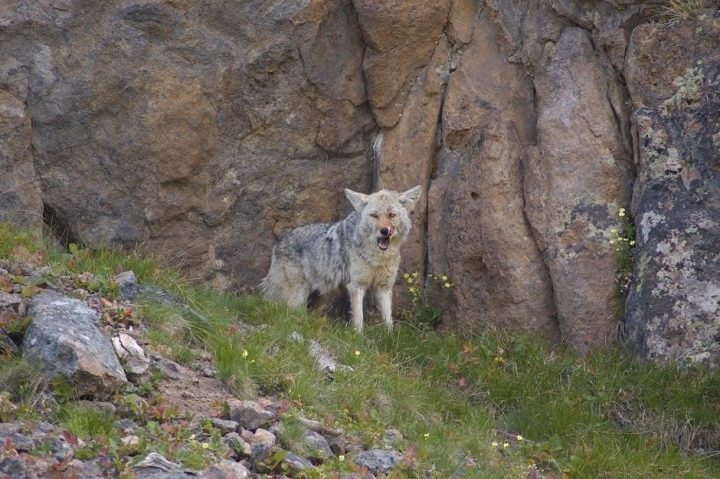
Guided Coyote Hunts: An Overview
Guided coyote hunts offer specialized experiences, leveraging expert knowledge and access to prime locations for successful harvests․ Maine’s progressive
night hunting regulations, alongside Kansas’s evolving rules, demonstrate increasing opportunities․ These hunts blend skill, strategy, and ethical practices․
What is a Guided Coyote Hunt?
Guided coyote hunts represent a professionally organized hunting experience, where seasoned guides lead participants in pursuit of coyotes․ These hunts typically encompass all logistical aspects, from securing necessary permits and licenses to providing access to private land brimming with coyote activity․
A skilled guide offers invaluable expertise in coyote behavior, tracking, and effective calling techniques․
Safety is paramount, with guides delivering thorough briefings and ensuring adherence to ethical hunting practices․ Participants benefit from enhanced success rates and a deeper understanding of wildlife management․
The Rising Popularity of Coyote Hunting
Coyote hunting is experiencing a surge in popularity, driven by several factors including increasing coyote populations and their impact on ecosystems․ Hunters recognize the role they play in wildlife management and population control․ Expanding access to hunting opportunities, like those offered through guided hunts, further fuels this trend․
States like Maine and Kansas, with evolving night hunting regulations, contribute to increased hunter participation․ The challenge and skill involved also attract seasoned and novice hunters alike․
Why Choose a Guided Coyote Hunt?
Guided hunts maximize success through expert knowledge, access to prime locations, and adherence to ethical practices and evolving state hunting regulations․
Expert Knowledge of Coyote Behavior
Guided hunts benefit immensely from guides possessing in-depth understanding of coyote behavior․ This includes recognizing travel patterns, preferred habitats, and vocalization nuances․ Guides interpret sign – tracks, scat, and rubs – to predict movement․ They understand how weather influences activity, and crucially, how coyotes respond to various calling and decoying strategies․ This expertise dramatically increases hunter success rates, moving beyond generalized approaches to targeted, effective techniques․ Knowing their social structure and feeding habits is paramount for a successful hunt․
Access to Prime Hunting Locations
Guided coyote hunts frequently grant access to private lands and carefully scouted public areas unavailable to the average hunter․ Outfitters cultivate relationships with landowners, securing permission for exclusive hunting privileges․ These locations are selected based on proven coyote activity, offering higher densities and increased encounter probabilities․ Guides possess detailed maps and knowledge of terrain features, maximizing hunting efficiency․ This access significantly elevates the chances of a successful hunt, bypassing the challenges of locating productive areas independently․
Benefits of Local Expertise
Guided coyote hunts thrive on the invaluable knowledge of local guides․ They intimately understand regional coyote behavior, seasonal patterns, and preferred habitats․ This expertise extends to interpreting sign – tracks, scat, and rubs – revealing recent activity․ Guides are adept at adapting strategies based on current conditions and coyote responses․ Their familiarity with the terrain ensures efficient navigation and safe hunting practices, ultimately enhancing the overall experience and increasing hunter success rates․
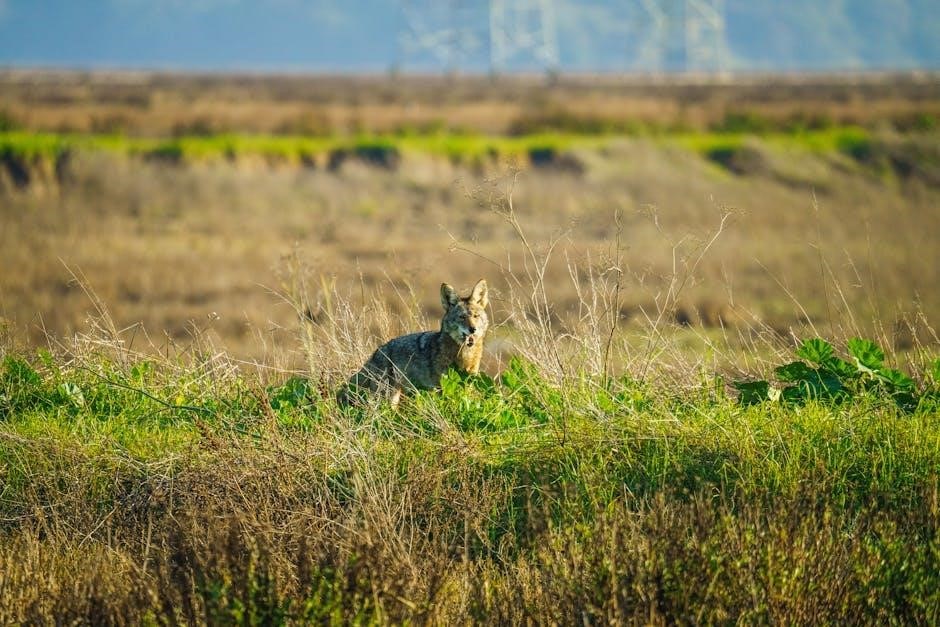
Legal and Ethical Considerations
Guided coyote hunts must adhere to state regulations, licensing requirements, and fair chase principles․ Maine and Kansas exemplify varying rules, demanding responsible and ethical hunting practices․
State Hunting Regulations & Licensing
Guided coyote hunts are heavily governed by individual state wildlife agencies, necessitating strict adherence to their specific regulations․ Hunters typically require a valid hunting license, and potentially, a specific coyote hunting permit․ Regulations dictate legal hunting methods, permissible firearms, and reporting requirements․
Michigan’s Natural Resources Commission frequently reviews coyote hunting seasons․ Maine boasts progressive night hunting rules, allowing it from December 16th․ Kansas has also adjusted its night hunting regulations․ Guides ensure clients understand and comply with all applicable laws, avoiding legal repercussions and promoting responsible hunting․
Coyote Hunting Season Dates (Michigan, Maine, Kansas examples)
Guided coyote hunts’ timing varies significantly by state․ Michigan’s season is subject to review by the Natural Resources Commission, with dates fluctuating annually․ Maine distinguishes itself with a notably permissive night hunting season, commencing December 16th, offering extended opportunities․
Kansas has adapted its night hunting regulations, expanding access․ Specific dates for all states change, so guided hunts prioritize current information․ Outfitters stay updated on regulations, ensuring hunts occur during legal periods and maximizing client success while respecting wildlife management․
Fair Chase Principles & Ethical Hunting Practices
Guided coyote hunts emphasize responsible hunting․ Fair chase dictates allowing the animal a reasonable escape opportunity, avoiding unfair advantages․ Ethical practices include quick, clean kills minimizing suffering, and respectful treatment of harvested animals․
Guides prioritize hunter education on these principles․ They ensure hunts adhere to legal and moral standards, promoting conservation․ Respect for the land, other hunters, and the coyote itself are paramount, fostering sustainable hunting practices and upholding the sport’s integrity․

Gear and Equipment for Coyote Hunting
Guided coyote hunts require appropriate gear: firearms, ammunition, calling devices, decoys, camouflage, and optics․ Thermal imaging aids night hunting, enhancing visibility and success rates․
Essential Firearms and Ammunition
Guided coyote hunts demand reliable firearms suited for varying ranges․ Centerfire rifles, particularly those chambered in ․223 Remington, ․243 Winchester, or ․270 Winchester, are popular choices due to their flat trajectories and manageable recoil․ Shotguns, especially those utilizing specialized coyote loads, prove effective at closer distances․
Ammunition selection is crucial; lighter-weight bullets maximize velocity and expansion, enhancing terminal performance․ Consistent practice with chosen firearms ensures accuracy and confidence in the field․ Guides often provide recommendations based on local conditions and typical shot distances encountered during the hunt․
Calling Devices and Decoys
Guided coyote hunts heavily utilize electronic calling devices to mimic prey sounds, attracting coyotes into shooting range․ These devices offer a vast library of sounds, including rabbit distress calls, pup whines, and coyote howls, adaptable to different hunting scenarios․ Decoys, such as rabbit or coyote models, visually enhance the setup, creating a realistic target․
Strategic decoy placement, considering wind direction and shooting lanes, is vital․ Guides expertly manipulate calling sequences and decoy positioning to maximize attraction and create optimal shot opportunities, increasing the hunt’s success rate․
Camouflage and Hunting Apparel
Guided coyote hunts demand effective camouflage to blend seamlessly with the surrounding environment․ Hunters typically wear full camouflage suits, including jackets, pants, gloves, and head coverings, matching the terrain’s color palette․ Breaking up the human outline is crucial for avoiding detection by wary coyotes․
Layering clothing is essential for adapting to varying weather conditions․ Waterproof and windproof outer layers provide protection, while moisture-wicking base layers ensure comfort․ Quiet apparel is paramount, minimizing noise during stalking or setup․
Optics: Binoculars and Rangefinders
Guided coyote hunts heavily rely on quality optics for spotting and accurately ranging targets․ Binoculars with 8x to 10x magnification are ideal for scanning open fields and wooded areas, aiding in coyote detection at a distance․ A clear field of view and good low-light performance are essential features․
Rangefinders are crucial for precise shot placement, especially during longer-range calling setups․ Knowing the exact distance ensures accurate bullet trajectory and maximizes the chance of a clean, ethical harvest․ Digital rangefinders with angle compensation are highly recommended․
Techniques Used in Guided Coyote Hunts
Guided coyote hunts employ diverse tactics, including spot and stalk, electronic calling, and decoy setups․ Thermal imaging enhances night hunting success, leveraging coyote behavior․
Spot and Stalk Hunting Methods
Spot and stalk hunting relies on a guide’s keen observation skills to locate coyotes in their natural habitat․ This method demands patience, stealth, and an understanding of wind direction․ Guides utilize terrain features for concealment, slowly approaching the animal while minimizing detection․
Successful stalks require careful planning, considering coyote travel routes and bedding areas․ Guides often glass open fields and edges of wooded areas, seeking movement or visual confirmation․ Once a coyote is spotted, the guide and hunter work together to establish a shooting position, prioritizing a clean and ethical shot․ This technique is particularly effective in areas with sparse cover, demanding precise movements and a disciplined approach․
Electronic Calling Techniques
Electronic calling is a cornerstone of many guided coyote hunts, utilizing sounds to lure animals within shooting range․ Guides expertly employ a variety of calls – howls, yips, and distress signals – mimicking coyote communication․ Strategic placement of the caller is crucial, considering wind direction and terrain features to maximize sound travel․
Experienced guides understand coyote vocalizations and adjust calling sequences based on animal response․ They often combine calls with visual attractants like decoys, creating a realistic scenario․ Patience is key, as coyotes may approach cautiously or from unexpected directions, requiring quick reflexes and accurate shooting․
Using Decoys Effectively
Decoys significantly enhance guided coyote hunts by creating the illusion of activity, triggering a territorial or curious response․ Guides strategically position decoys – often resembling coyotes themselves – in open areas, maximizing visibility․ Movement is key; remotely operated decoys mimic a live animal, increasing realism․
Successful decoy setups consider wind direction, ensuring scent doesn’t carry towards the hunter․ Combining decoys with electronic calls amplifies their effectiveness, creating a compelling scenario․ Guides monitor coyote reactions closely, adjusting decoy placement as needed to capitalize on their interest․
Thermal Imaging for Night Hunting
Thermal imaging revolutionizes guided coyote hunts conducted under the cover of darkness, allowing hunters to detect coyote heat signatures even in complete blackness․ This technology bypasses the limitations of traditional night vision, providing a clear view through foliage and at extended ranges․
Maine’s progressive night hunting regulations benefit greatly from thermal optics, enabling responsible harvests․ Guides utilize thermal monoculars or riflescopes to identify targets and ensure ethical shots․ The ability to differentiate coyotes from other animals is crucial for safe and selective hunting practices․

The Role of the Guide
Guides expertly scout locations, deliver crucial safety briefings, and provide field instruction, ensuring successful and ethical coyote hunts․ They also handle game retrieval efficiently․
Pre-Hunt Scouting and Planning
Diligent pre-hunt scouting is paramount for successful guided coyote hunts․ Experienced guides thoroughly investigate potential hunting grounds, analyzing coyote travel patterns, bedding areas, and primary food sources․ This involves examining tracks, scat, and rub lines to pinpoint active zones․
Careful planning considers wind direction, terrain features, and potential stand locations․ Guides leverage topographical maps and aerial imagery to strategize optimal approaches, maximizing hunter success while prioritizing safety and ethical considerations․ Understanding coyote behavior is key․
Safety Briefings and Field Instruction
Comprehensive safety briefings are a cornerstone of responsible guided coyote hunts․ Guides meticulously review firearm handling protocols, emphasizing safe loading, unloading, and aiming procedures․ They detail clear communication signals and emergency protocols for various field scenarios, ensuring swift response if needed․
Detailed field instruction covers proper shooting techniques, identifying safe shooting lanes, and understanding hunter responsibilities․ Guides reinforce awareness of surroundings and potential wildlife encounters, promoting a secure and ethical hunting experience for all participants․
Game Retrieval and Field Dressing
Efficient game retrieval is a key component of guided coyote hunts, with guides expertly tracking and locating harvested animals․ They demonstrate proper field dressing techniques, prioritizing hygiene and meat care to ensure quality․ This includes safe skinning, quartering, and handling of the carcass․
Guides provide instruction on responsible game handling, emphasizing respect for the animal and adherence to ethical harvesting practices․ They assist with loading and transporting the harvest, ensuring compliance with all relevant regulations and maintaining a clean, organized field environment․

Cost and What’s Included
Guided coyote hunt costs vary, typically including accommodation, meals, and licenses․ Additional expenses, like travel and gratuities, should be factored into the overall budget․
Average Cost of a Guided Coyote Hunt
The average cost of a guided coyote hunt can fluctuate significantly based on location, duration, and the level of included amenities․ Generally, hunters can anticipate spending between $350 and $800 for a single-day hunt; Multi-day expeditions, often spanning three to four days, typically range from $800 to $2,000 or more․
These figures often encompass the guide’s fee, access to private land, and sometimes, basic lodging․ Premium hunts, featuring luxurious accommodations or specialized equipment like thermal imaging, will naturally command higher prices․ It’s crucial to clarify exactly what is covered when comparing different outfitters and packages․
Typical Inclusions (Accommodation, Meals, Licenses)
Guided coyote hunt packages frequently include several key components․ Accommodation often ranges from rustic cabins to comfortable lodge rooms, depending on the outfitter and price point․ Most hunts provide meals – breakfast, lunch, and dinner – often featuring hearty, locally-sourced fare․ However, confirm if drinks are included․
Critically, verify whether hunting licenses and required permits are covered․ Some outfitters handle licensing for clients, while others expect hunters to obtain them independently․ Transportation during the hunt, and sometimes to/from airports, may also be part of the package․
Additional Expenses to Consider
Beyond the base cost of a guided coyote hunt, several additional expenses should be factored into your budget․ Travel to and from the hunting location is typically not included, encompassing flights, fuel, or vehicle rentals․ A gratuity for your guide, reflecting their service, is customary and appreciated․
Personal gear – clothing, boots, and specialized equipment – represents a significant cost․ Ammunition, while sometimes available for purchase, is often the hunter’s responsibility․ Finally, processing and taxidermy fees for harvested coyotes add to the overall expense․
Popular Destinations for Coyote Hunting
Texas, Oklahoma, and Wyoming emerge as premier destinations, boasting abundant coyote populations and experienced outfitters offering diverse guided hunts for enthusiasts․
Texas Coyote Hunting Opportunities
Texas presents vast landscapes and a thriving coyote population, making it a highly sought-after destination for guided hunts․ Outfitters across the state offer varied experiences, from traditional calling methods to utilizing thermal imaging for nocturnal pursuits․ The extended hunting season and relatively liberal regulations contribute to its popularity․
Many ranches specifically manage for coyote control, providing hunters with excellent opportunities․ Expect diverse terrain, including mesquite brush, open fields, and wooded areas, demanding adaptable hunting strategies․ Experienced guides provide crucial insights into local coyote behavior and effective calling techniques, maximizing success rates for both novice and seasoned hunters alike․
Oklahoma Coyote Hunting Outfitters
Oklahoma boasts a growing number of guided coyote hunting outfitters catering to diverse preferences and skill levels․ These operators typically provide fully-equipped hunts, including access to private land known for high coyote densities․ Services often encompass lodging, meals, and professional guiding services, ensuring a seamless experience․
Outfitters utilize a range of techniques, from spot-and-stalk methods across rolling hills and timbered areas to electronic calling setups designed to lure coyotes into range․ Oklahoma’s relatively relaxed hunting regulations and abundant public land also contribute to its appeal for coyote hunters seeking affordable and accessible adventures․
Wyoming Coyote Hunting Adventures
Wyoming presents vast, rugged landscapes ideal for thrilling guided coyote hunting adventures․ Outfitters here specialize in navigating expansive ranches and public lands, offering hunts tailored to both rifle and calling enthusiasts․ Expect challenging terrain and opportunities for long-range shooting, capitalizing on Wyoming’s open vistas․
Many outfitters provide fully-guided experiences, including lodging, meals, and transportation, simplifying logistics for hunters․ Wyoming’s substantial coyote population, coupled with liberal hunting regulations, ensures consistent action․ These hunts often combine traditional methods with modern technology, maximizing success rates․

Coyote Biology and Ecology
Coyote understanding—habitats, diets, and social structures—is crucial for effective guided hunts․ Knowledge of their behavior enhances hunting strategies and promotes responsible wildlife management․
Understanding Coyote Habitats
Coyote adaptability allows them to thrive in diverse environments, from forests and grasslands to deserts and even urban areas․ Guided hunts capitalize on this by targeting areas where coyotes actively forage and den․ Understanding preferred habitats – edges between wooded areas and open fields, riparian corridors, and agricultural lands – is paramount․ Guides leverage this knowledge to predict movement patterns, increasing hunter success․ They consider factors like prey availability, cover for concealment, and seasonal changes influencing habitat use, ensuring ethical and effective hunting experiences․
Coyote Diet and Feeding Habits
Coyote diets are remarkably opportunistic, ranging from small mammals like rodents and rabbits to birds, reptiles, insects, and even fruits and carrion․ Guided hunts often utilize this knowledge through strategic calling and decoy placement, mimicking prey sounds or visual cues․ Understanding seasonal shifts in feeding habits – increased scavenging in winter, focus on young prey in spring – informs hunting tactics․ Guides exploit these patterns, positioning hunters near known feeding areas to maximize encounter rates and ensure responsible harvests․
Coyote Social Structure and Packs
Coyotes typically live in family groups, or packs, consisting of a breeding pair and their offspring of multiple years․ Guided hunts acknowledge this social dynamic, recognizing that calling may attract multiple animals․ Experienced guides understand pack behavior – territoriality, communication – to predict responses and safely manage encounters․ Targeting dominant individuals can disrupt pack cohesion, influencing local populations․ Ethical hunts consider the impact on family structures, promoting sustainable wildlife management practices during the experience․
Night Hunting Regulations
Night hunting for coyotes varies by state; Maine allows it from December 16th, while Kansas has specific rules․ Guided hunts ensure compliance with all local laws and safety protocols․
Maine’s Progressive Night Hunting Rules
Maine distinguishes itself within the Northeast with remarkably permissive night hunting regulations for coyotes․ Beginning December 16th, hunters are legally permitted to pursue coyotes after dark, offering extended hunting seasons and opportunities․ Guided coyote hunts in Maine capitalize on these rules, often incorporating thermal imaging and specialized calling techniques for nocturnal success․ These guided experiences ensure hunters fully understand and adhere to all state-specific regulations regarding legal shooting hours, permissible equipment, and reporting requirements, maximizing both ethical hunting practices and harvest potential during the extended nighttime season․
Kansas Night Hunting Regulations
Kansas has quietly broadened its night hunting allowances, creating appealing opportunities for guided coyote hunts․ While specific regulations evolve, coyote hunting at night is generally permitted with appropriate licenses and adherence to state laws․ Guided hunts in Kansas often utilize night vision and thermal optics, enhancing hunter effectiveness in low-light conditions․ Outfitters ensure compliance with all legal requirements, including landowner permission and ethical harvest practices, providing a safe and productive nighttime hunting experience for participants seeking to manage coyote populations․
The Use of Night Vision and Thermal Optics
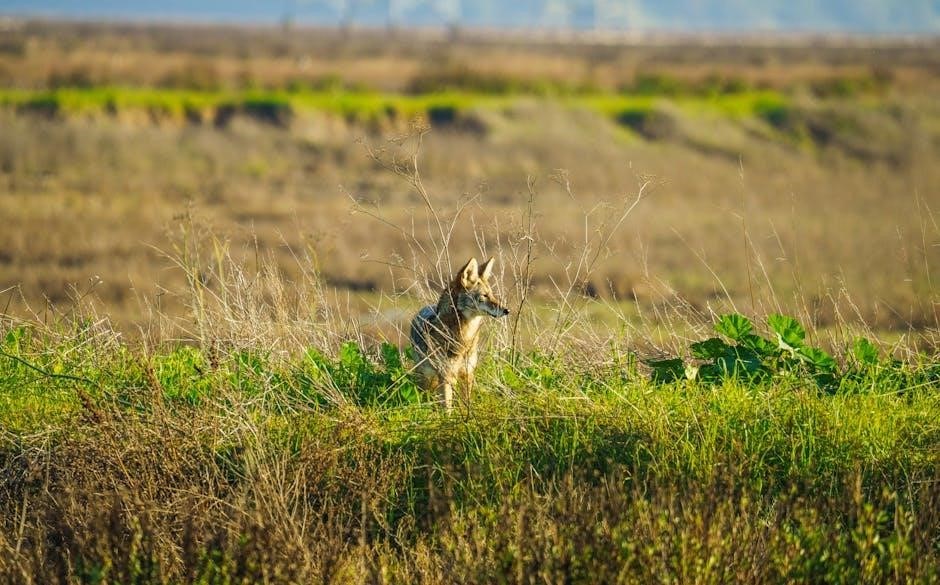
Guided coyote hunts increasingly rely on night vision and thermal optics to extend hunting hours and improve success rates․ These technologies allow hunters to detect coyote heat signatures and movements in complete darkness, crucial for nighttime pursuits․ Thermal imaging excels in challenging weather conditions where traditional night vision falters․ Outfitters provide instruction on proper usage, ensuring ethical and effective application of these tools, maximizing hunter visibility and contributing to responsible wildlife management during guided hunts․
Safety Precautions During Coyote Hunts
Guided coyote hunts prioritize firearm safety, situational awareness, and clear communication with the guide․ Following protocols minimizes risks and ensures a secure, responsible hunting experience for all participants․
Firearm Safety Rules
Guided coyote hunts demand strict adherence to firearm safety․ Always treat every firearm as loaded, maintaining control and directing the muzzle safely․ Positive identification of the target and beyond is crucial before firing, alongside awareness of surroundings and potential hazards․
Safe loading and unloading procedures, coupled with proper ammunition selection, are paramount․ Never rely on a firearm’s safety mechanism alone; responsible finger discipline—keeping your finger off the trigger until ready to shoot—is essential․ Guides will reinforce these rules, ensuring a secure hunting environment․
Awareness of Surroundings and Wildlife
During guided coyote hunts, maintaining heightened awareness is vital․ Hunters must scan surroundings for other wildlife, non-hunters, and potential obstacles․ Understanding terrain and weather conditions contributes to safety and successful hunts․
Be mindful of potential hazards like uneven ground, dense vegetation, and changing light․ Recognizing animal sign—tracks, scat—provides insight into coyote movement and other species present․ Guides emphasize situational awareness, promoting responsible interaction with the ecosystem and ensuring a safe experience for all․
Communication Protocols with the Guide
Effective communication is paramount during guided coyote hunts․ Establish clear protocols with your guide before the hunt begins, covering hand signals, radio frequencies, and emergency procedures․ Immediately report any unusual sightings, concerns, or changes in conditions․
Maintain consistent contact, especially when separated during spot-and-stalk maneuvers․ Confirm target identification before shooting, and relay information about downed game promptly․ Open dialogue fosters a safe, productive, and enjoyable hunting experience, maximizing success and minimizing risks․
The Future of Coyote Hunting
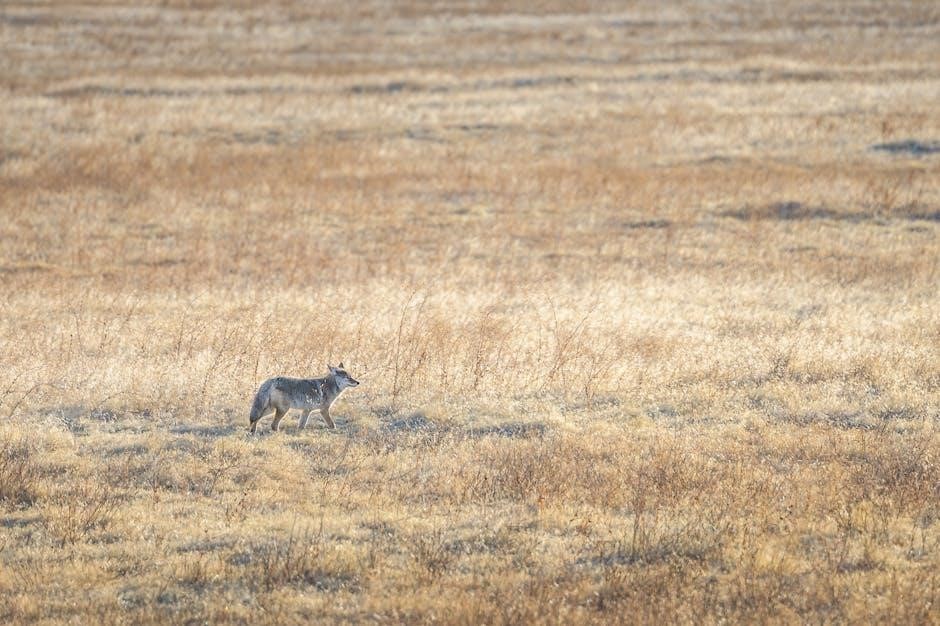
Coyote hunting’s future hinges on population control’s impact on ecosystems and evolving regulations․ Hunters play a vital role in wildlife management and conservation efforts․
Impact of Population Control on Ecosystems
Guided coyote hunts contribute to ecosystem balance through strategic population management․ Coyote predation influences prey species, impacting vegetation and overall biodiversity․ Controlled harvests can prevent overpopulation, mitigating potential negative effects on vulnerable species like ground-nesting birds or small mammals․
Effective population control, facilitated by skilled guides, supports healthier ecosystems․ Maintaining appropriate coyote numbers promotes a more resilient and diverse natural environment, benefiting a wide range of wildlife and habitats․ Responsible hunting practices are crucial for long-term ecological health․
Changing Regulations and Conservation Efforts
Guided coyote hunts operate within a dynamic regulatory landscape, reflecting evolving conservation priorities․ States like Maine demonstrate progressive approaches with expanded night hunting opportunities, while Kansas continually assesses its regulations․ These shifts often stem from scientific data and public input, aiming for sustainable wildlife management․
Conservation efforts increasingly emphasize adaptive strategies, balancing predator control with ecosystem health․ Guided hunts contribute valuable data through harvest reporting, informing future regulations and ensuring responsible hunting practices align with broader conservation goals․
The Role of Hunters in Wildlife Management
Guided coyote hunts play a crucial role in wildlife management, directly impacting predator populations and ecosystem balance․ Hunters contribute financially through license fees and excise taxes, funding conservation initiatives․ Participation in harvest reporting provides valuable data for wildlife agencies, informing population assessments and regulatory adjustments․
Ethical hunters, guided by experienced professionals, actively support responsible predator control, mitigating potential conflicts and promoting healthy wildlife communities․ Their involvement is essential for maintaining ecological integrity․